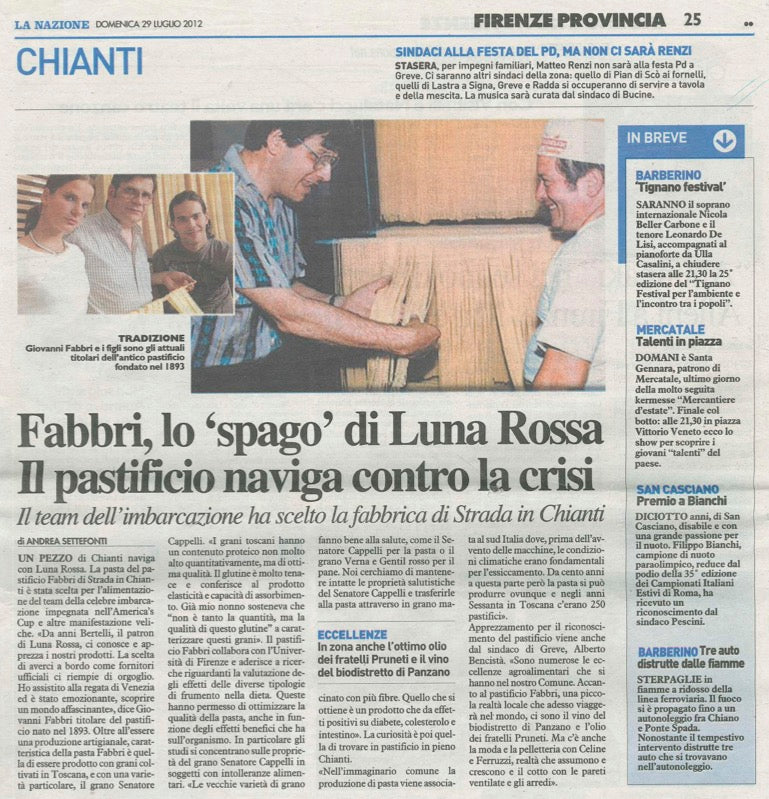
La Nazione (Florence): The Luna Rossa team has chosen the Fabbri factory in Strada in Chianti
The pasta factory sails against the crisis
La Nazione – July 29, 2012 – (Download the original article here)
Article excerpt:
“A piece of Chianti sails with Luna Rossa. The pasta produced by the Fabbri pasta factory in Strada in Chianti has been selected to feed the crew of the famous yacht competing in the America’s Cup and other sailing events.
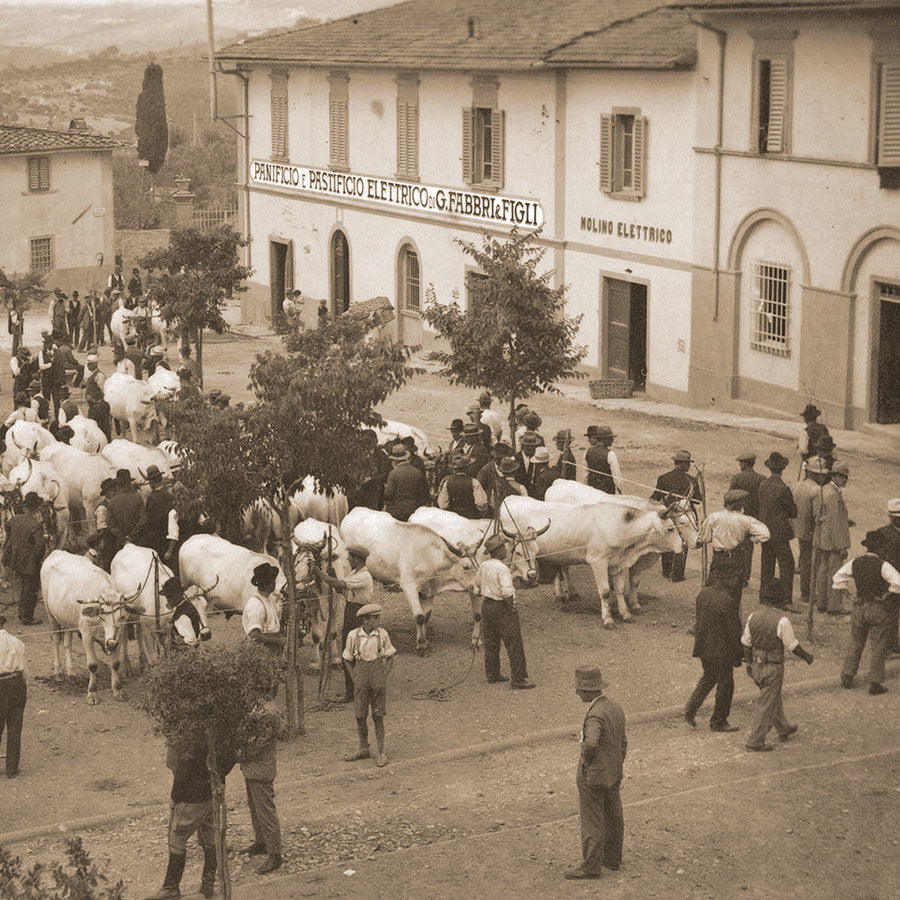
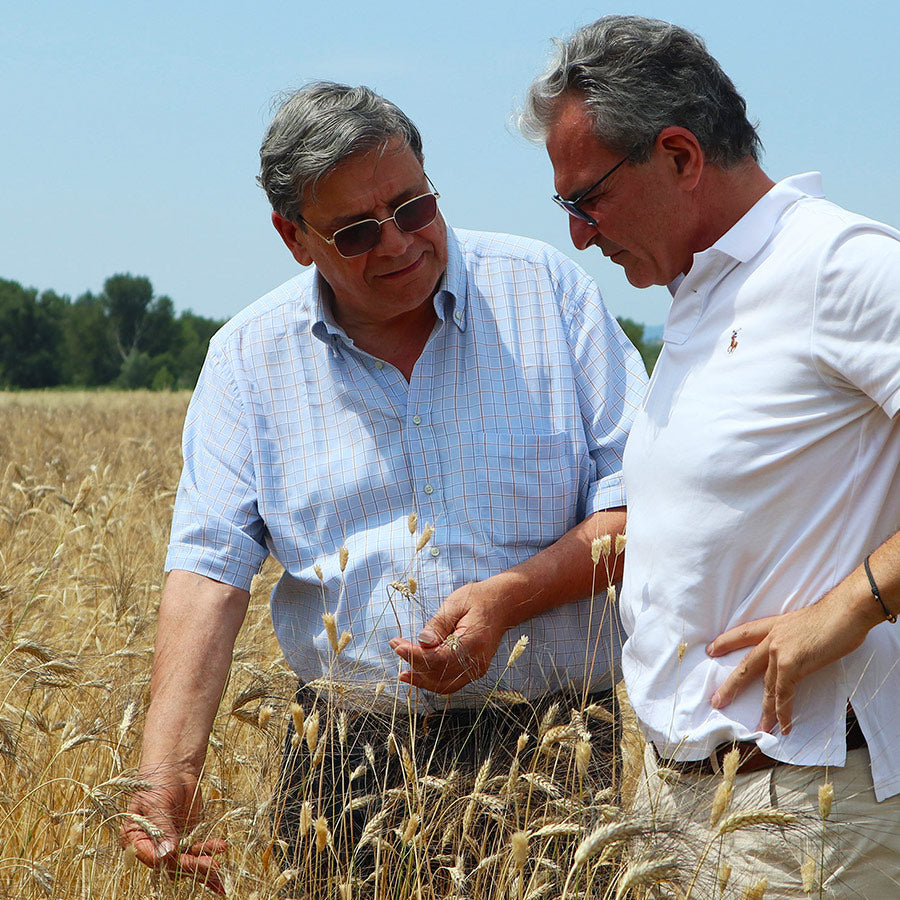
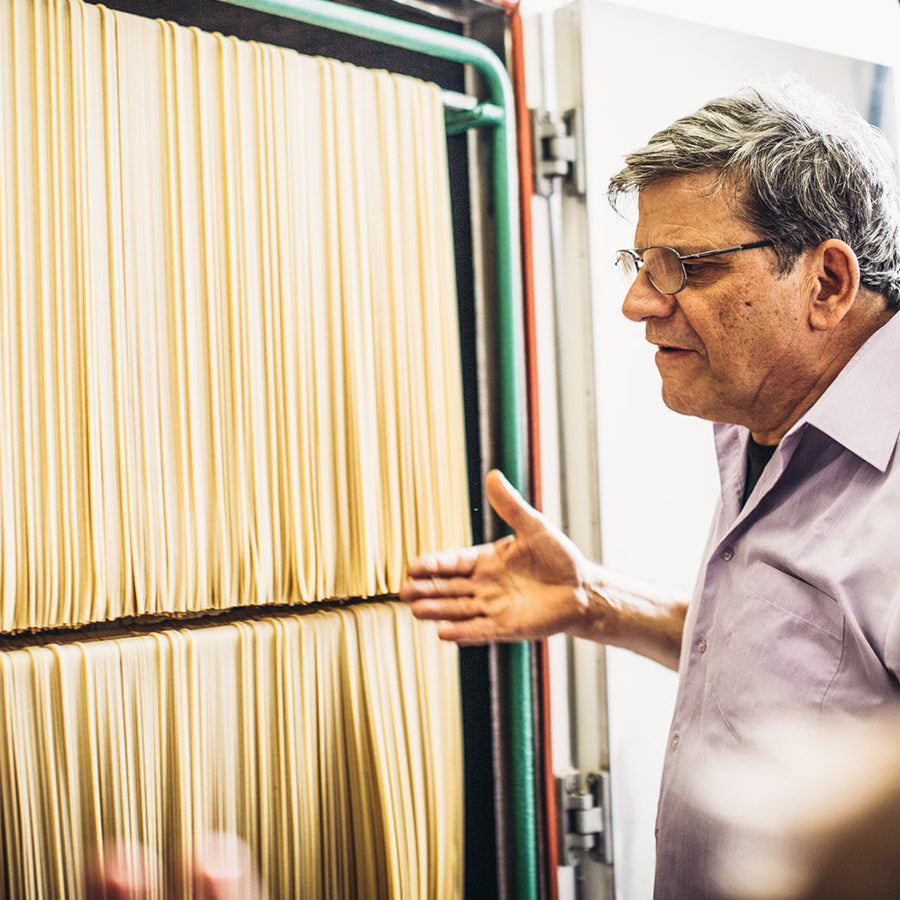
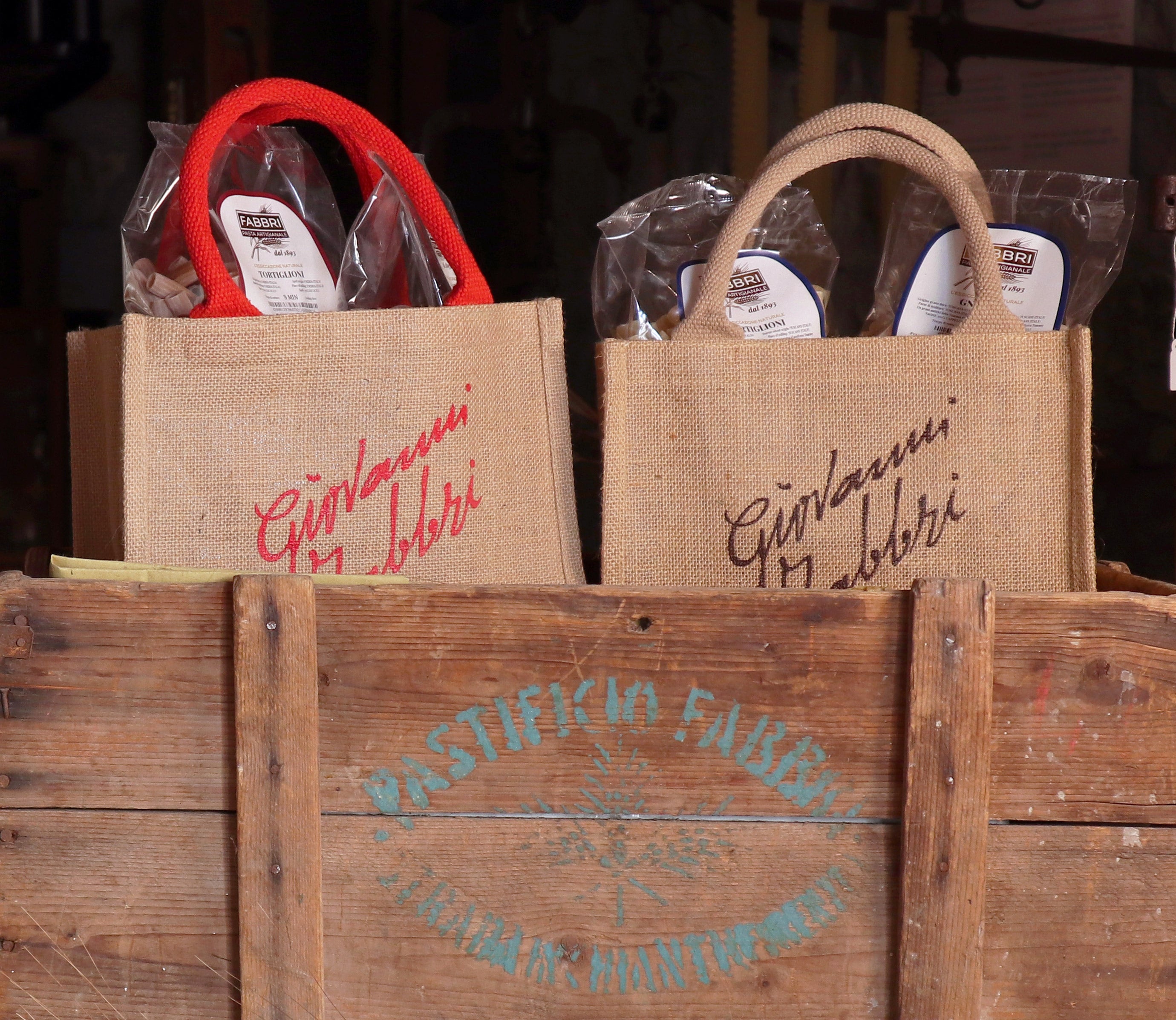
“For years, Bertelli, the patron of Luna Rossa, has known and appreciated our products. Being chosen as official suppliers on board fills us with pride. I attended the regatta in Venice, and it was truly moving to discover such a fascinating world,” says Giovanni Fabbri, owner of the pasta factory founded in 1893.
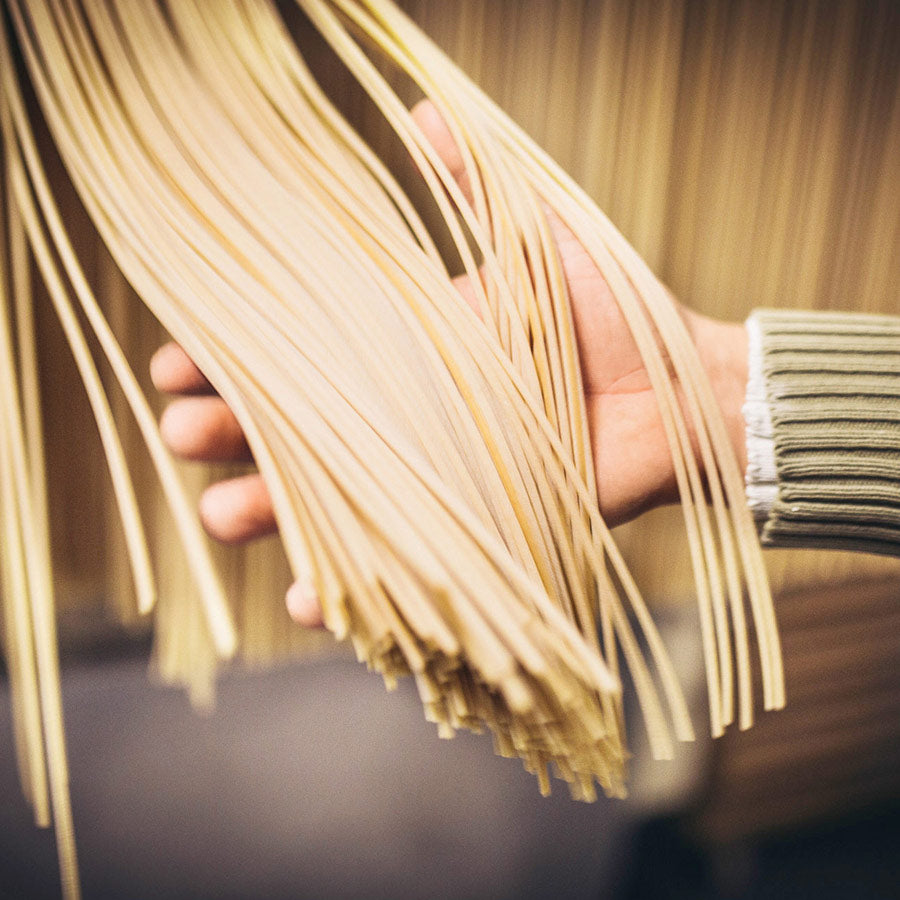
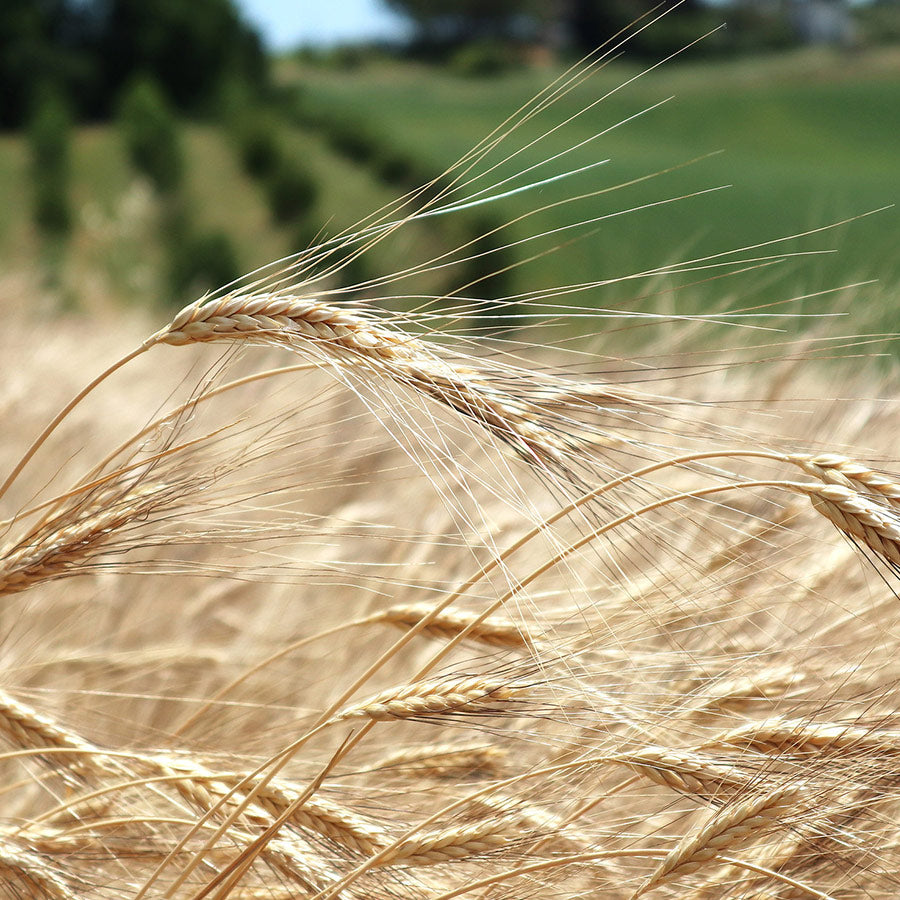
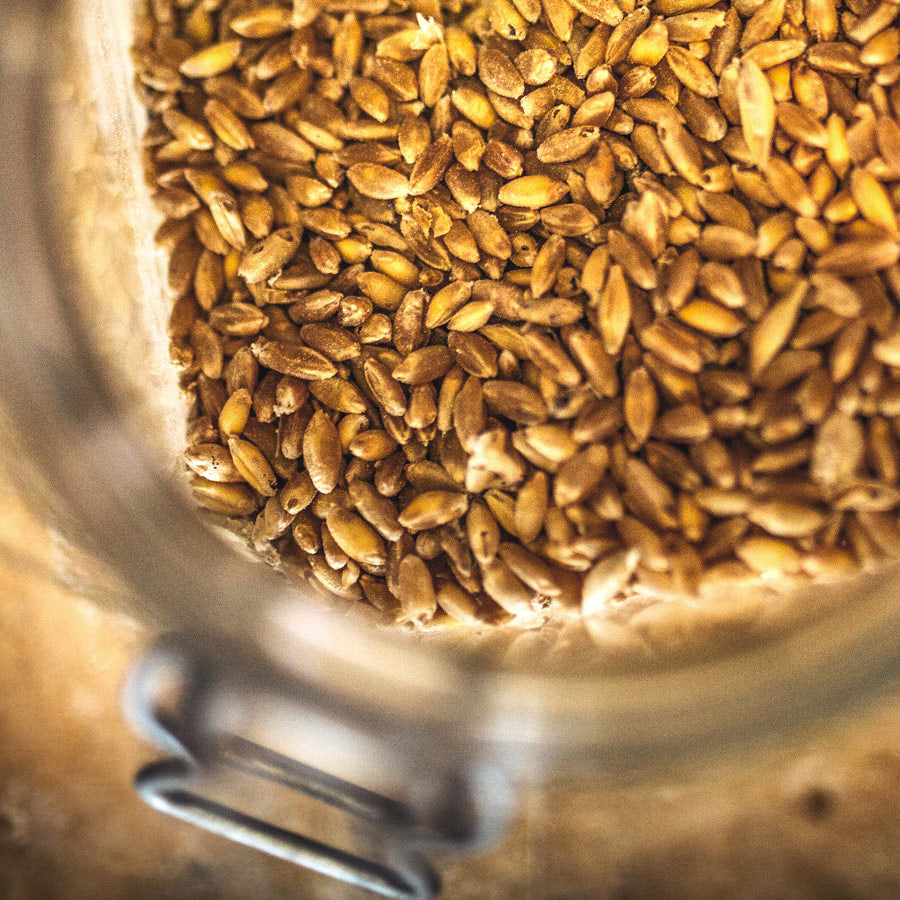
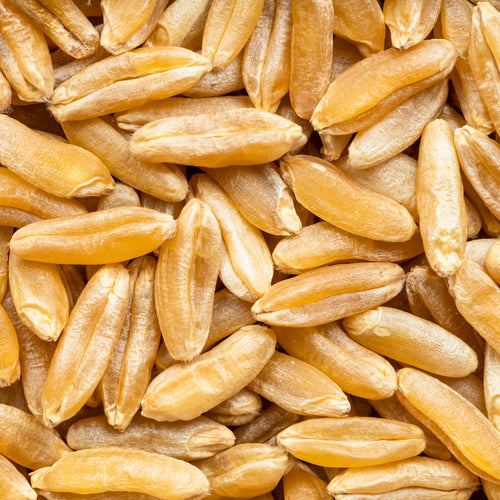
Beyond its artisanal production, a distinctive feature of Fabbri pasta is that it is made using wheat grown in Tuscany, particularly the Senatore Cappelli variety.
“Tuscany’s wheat varieties may not have a very high protein content in quantitative terms, but they are of excellent quality. The gluten is very strong and gives the product elasticity and the ability to absorb sauces. As my grandfather used to say, it’s not so much the quantity, but the quality of this gluten that defines these grains.”
The Fabbri pasta factory collaborates with the University of Florence and takes part in research projects evaluating the effects of different types of wheat in the human diet.
In particular, studies focus on the properties of Senatore Cappelli wheat in individuals with food intolerances.
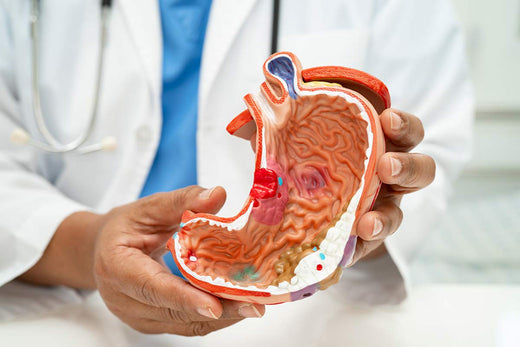
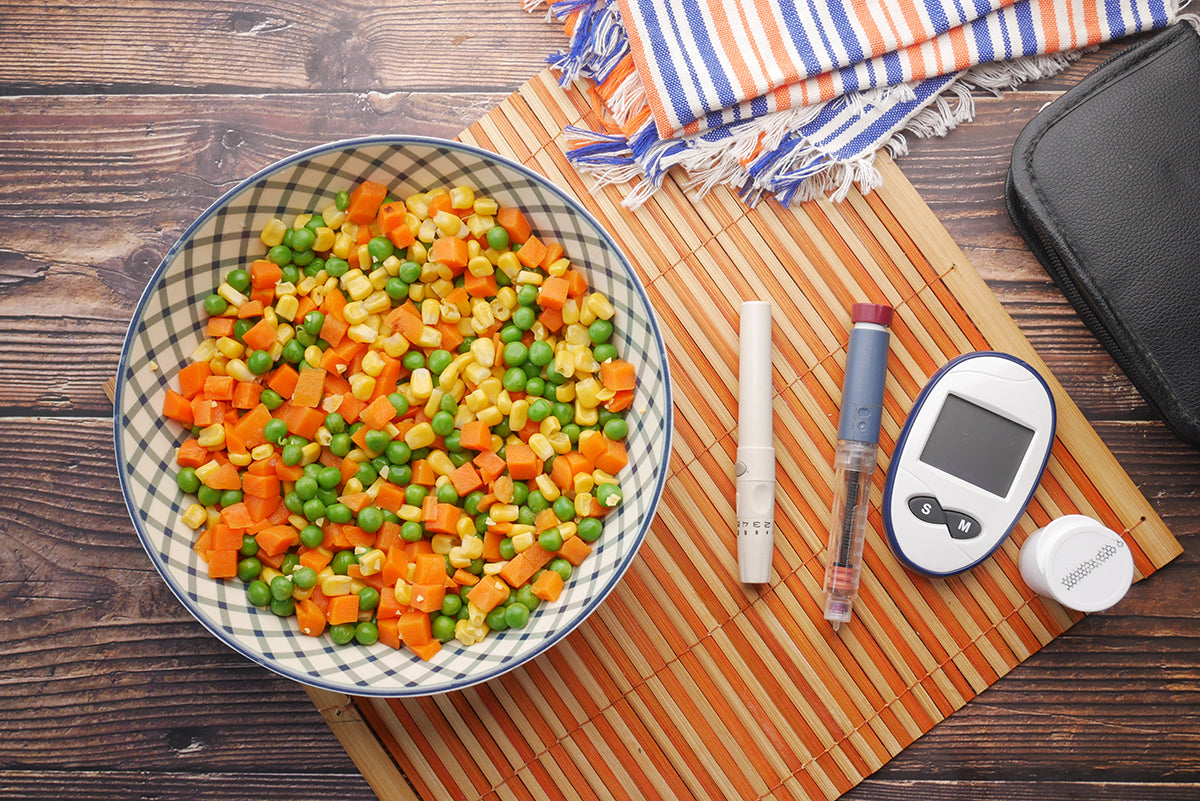
“Ancient wheat varieties are beneficial to health, such as Senatore Cappelli for pasta or Verna and Gentil Rosso for bread. We aim to preserve the health benefits of Senatore Cappelli and transfer them into our pasta by using flour with a higher fiber content. The result is a product that has positive effects on diabetes, cholesterol, and gut health.”
It may come as a surprise to find a pasta factory in the heart of Chianti.
“In the common imagination, pasta production is associated with southern Italy, where—before the advent of machinery—climatic conditions were essential for drying. However, for the past hundred years, pasta can be produced anywhere, and in the 1960s there were around 250 pasta factories in Tuscany.”
Appreciation for the recognition of the pasta factory also came from the mayor of Greve, Alberto Bencistà…"