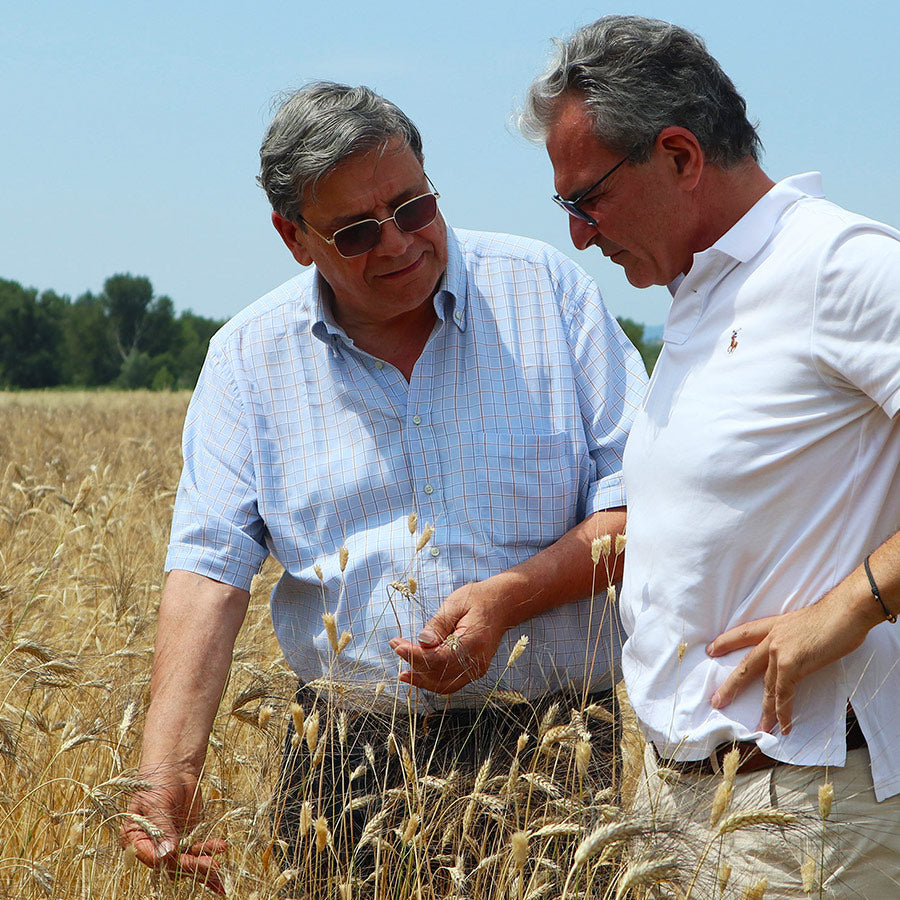
Evoldur Fabbri: giving a face to the grain

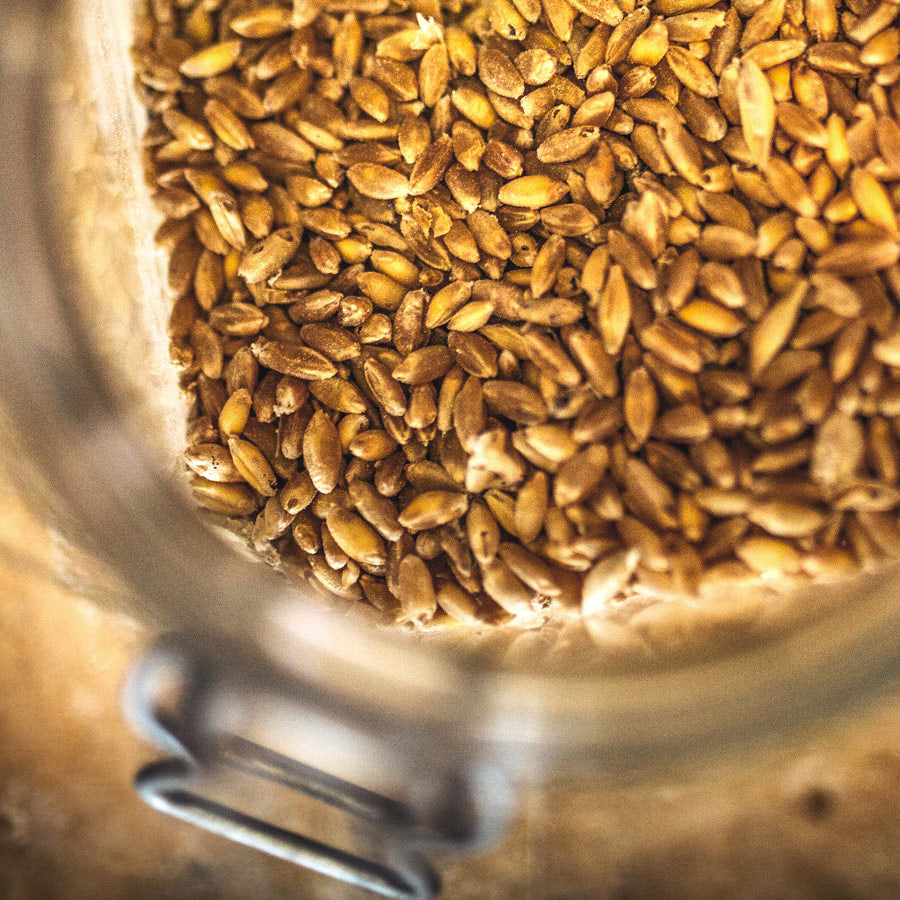
When we talk about pasta, we always talk about wheat. And yet, we rarely truly understand which wheat it is, where it comes from, or how it has been grown.
For us, this is the starting point. Making pasta does not simply mean purchasing a raw material: it means knowing it, following it, and shaping it over time.
This is where Evoldur Fabbri was born.
From selecting to building the grain
For years, we have worked with ancient Italian organic grains such as Senatore Cappelli, Timilia, emmer (farro dicocco), einkorn (farro monococco), and Khorasan, chosen for precise characteristics: flavor, structure, cooking performance, and digestibility.
But at a certain point, we realized that selecting was no longer enough. We felt the need to go further: not just to find the right grain, but to contribute to building it.
This is how a long and patient process began: we selected thirteen varieties of ancient grains and crossbred them, with a clear goal to find a balance between taste, elasticity, and behavior during pasta making.
An evolving grain
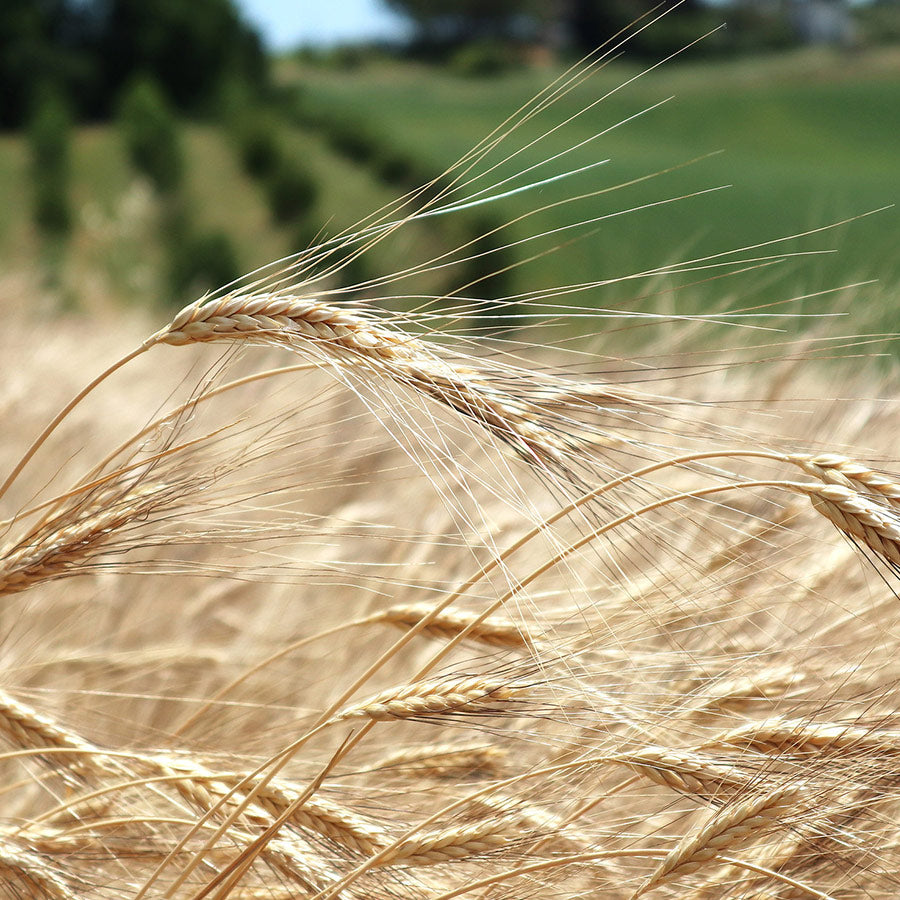
From this journey, Evoldur takes shape. It is not a grain variety in the traditional sense.
It is not something fixed or unchanging. It is an evolving genetic material: a grain that changes over time, adapting season after season to the place where it is grown. In our case, Tuscany.
Year after year, the field becomes part of the process. The grain naturally selects itself, refines itself, and moves closer and closer to the balance we are seeking. The result is not a standardized product, but something alive something that truly reflects the land and our way of making pasta.
A controlled and fairer supply chain
For this to be possible, a carefully built supply chain is essential. Evoldur is cultivated by a small group of farmers with whom we work continuously. These are not occasional purchases, but long-term relationships built on trust and a shared vision.
It is organically grown, without pesticides or synthetic fertilizers, with proper crop rotation.
But there is an even more important aspect: the value of the harvest is defined in advance. This allows farmers to work with stability, independent of market fluctuations, and makes the entire supply chain more balanced and sustainable for everyone.
An ongoing project
Evoldur, however, is still a work in progress. The first productions are currently being tested: we are observing how the semolina obtained from this grain behaves during pasta making, how it responds over longer processes, and how it delivers structure and flavor on the plate.
In the meantime, our current lines (Senatore Cappelli, Timilia, emmer) remain central and continue their journey. Evoldur will not replace them, but stand alongside them. This is the next step in our work: starting from the grain to truly influence the final result. Not just choosing a better raw material, but building it, season after season.